
Explorations into topics in the field of higher education.
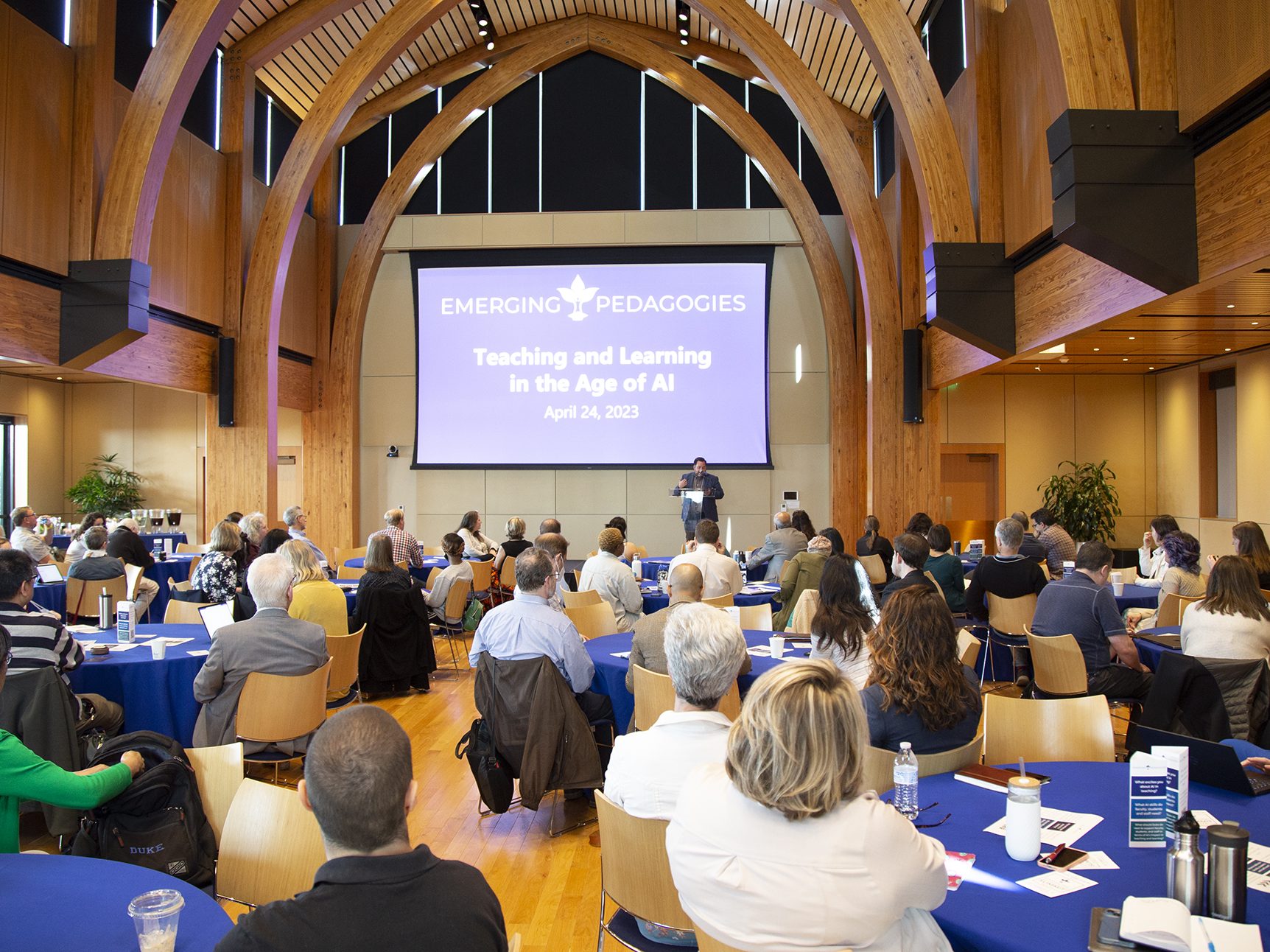
AI and Teaching at Duke
The challenge for instructors is to discover how to incorporate Artificial Intelligence content generators as a tool in their teaching rather than view them solely as a threat. In the past, other technology tools such as multifunction calculators, spelling and grammar checkers, and statistical analysis software shifted the ways we learn and teach. As in those cases, educators will need to help students differentiate when AI can help with learning versus when it is a short cut around learning.

Alternative Credentials
Alternative credentials are learning experiences or programs smaller than degrees, such as certificates, micro-credentials, industry certifications and other non-degree qualifications, in which successful completion involves acquisition of specific competencies or skills as assessed and verified by the program provider.

Alternative Strategies for Assessment and Grading
Research shows that grades are often not a good reflection of student learning and growth, and that being graded can be stressful for students. In addition, many traditional grading practices can exacerbate existing academic inequalities. We encourage faculty to design assessments that directly support student learning first, with their evaluative role considered secondarily.
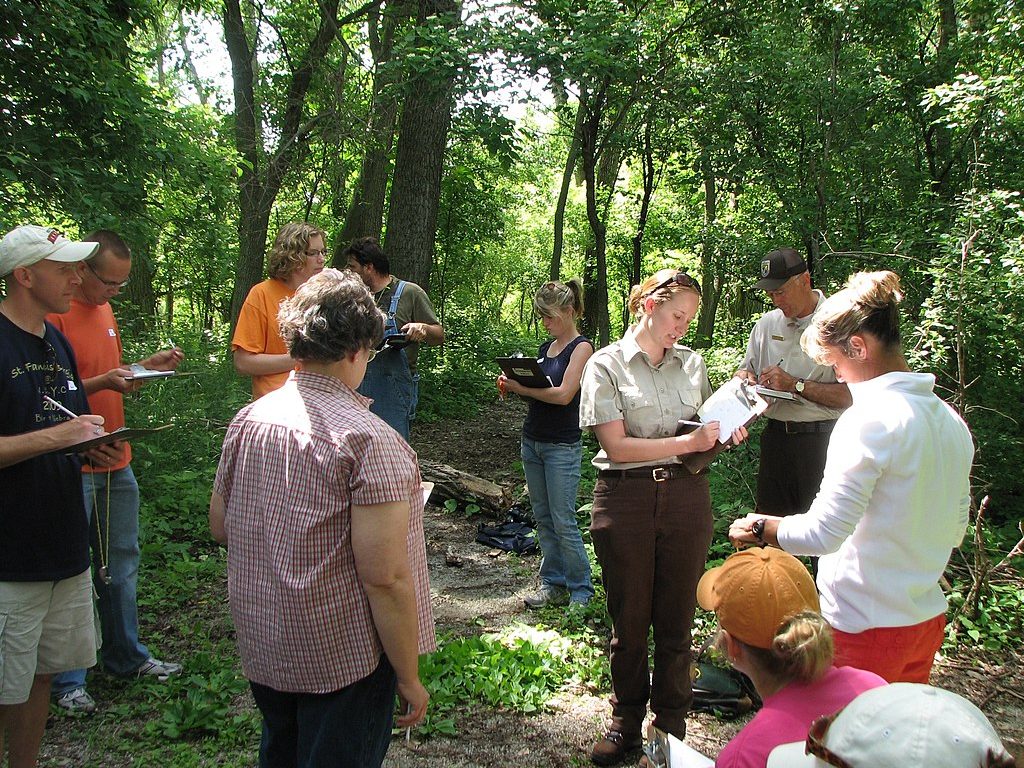
Best Practices in Teaching Observation
To capture a full picture of an instructor’s teaching abilities, it takes more than end-of-semester student evaluations. Peer observations can shed light on the quality of interactions between the students and the instructor. Peers can provide formative feedback with an eye toward improving instruction. Self-reflection through journaling, self-observation and the development of a teaching portfolio is the third pillar of teaching observation.

Regular Substantive Interaction in Online Courses
The US Department of Education requires that all courses that are considered “distance education” contain regular and substantive interaction between the instructor and students (RSI). Distance education includes any course that involves educating at a distance and is eligible for Title IV student aid funding.
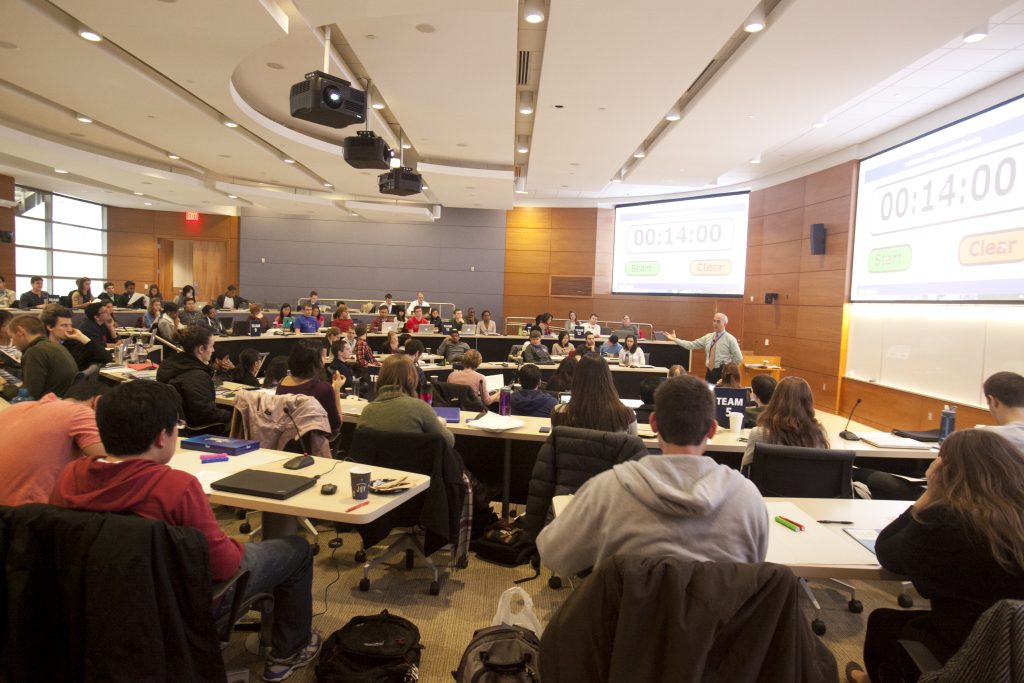
Teaching Large Classes
Teaching large classes presents unique challenges and opportunities for instructors. Connecting with and engaging students becomes more difficult, and the grading process can be overwhelming due to the volume of students. However, large classes also offer a dynamic environment for fostering a collective learning experience.